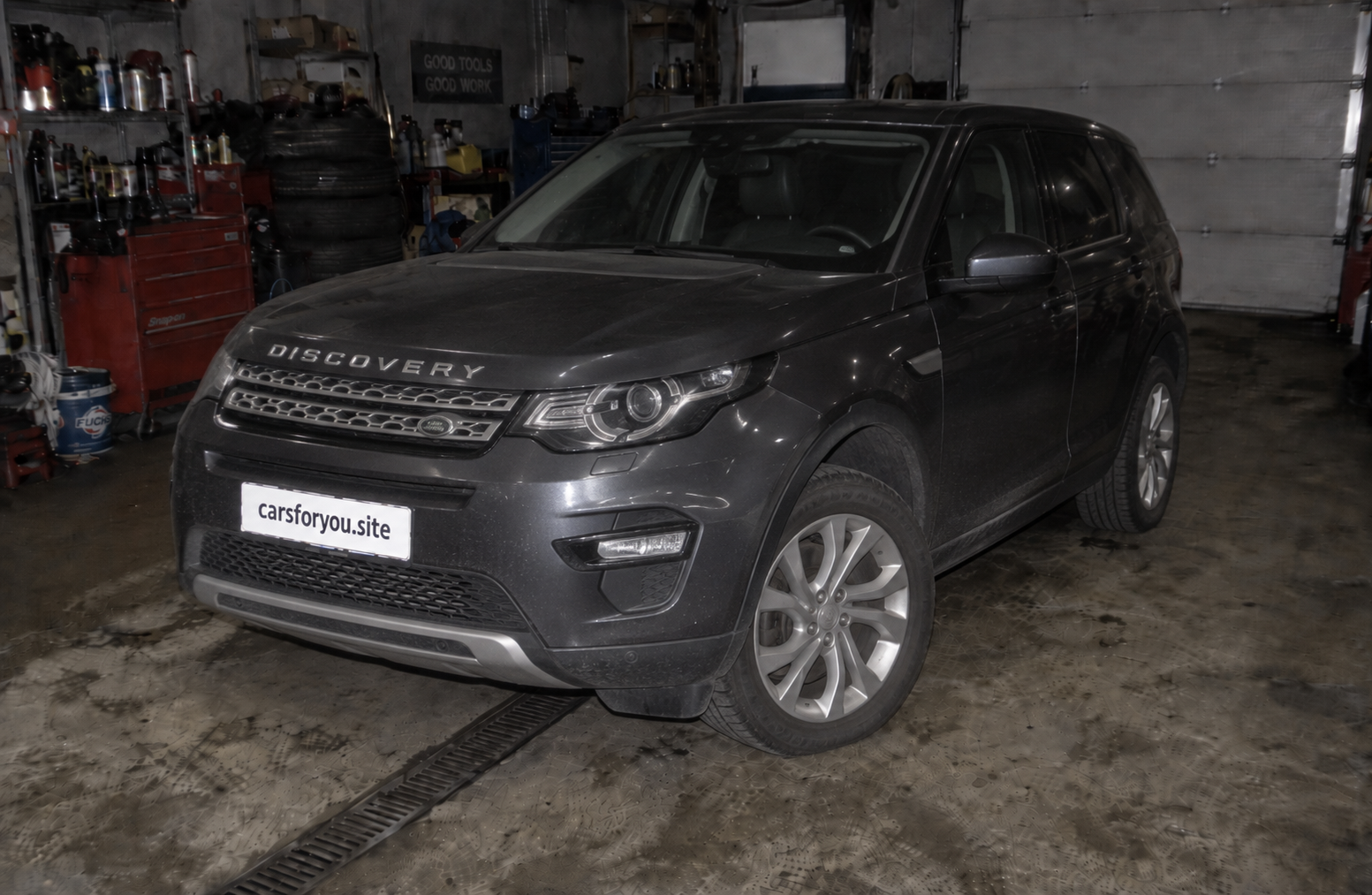
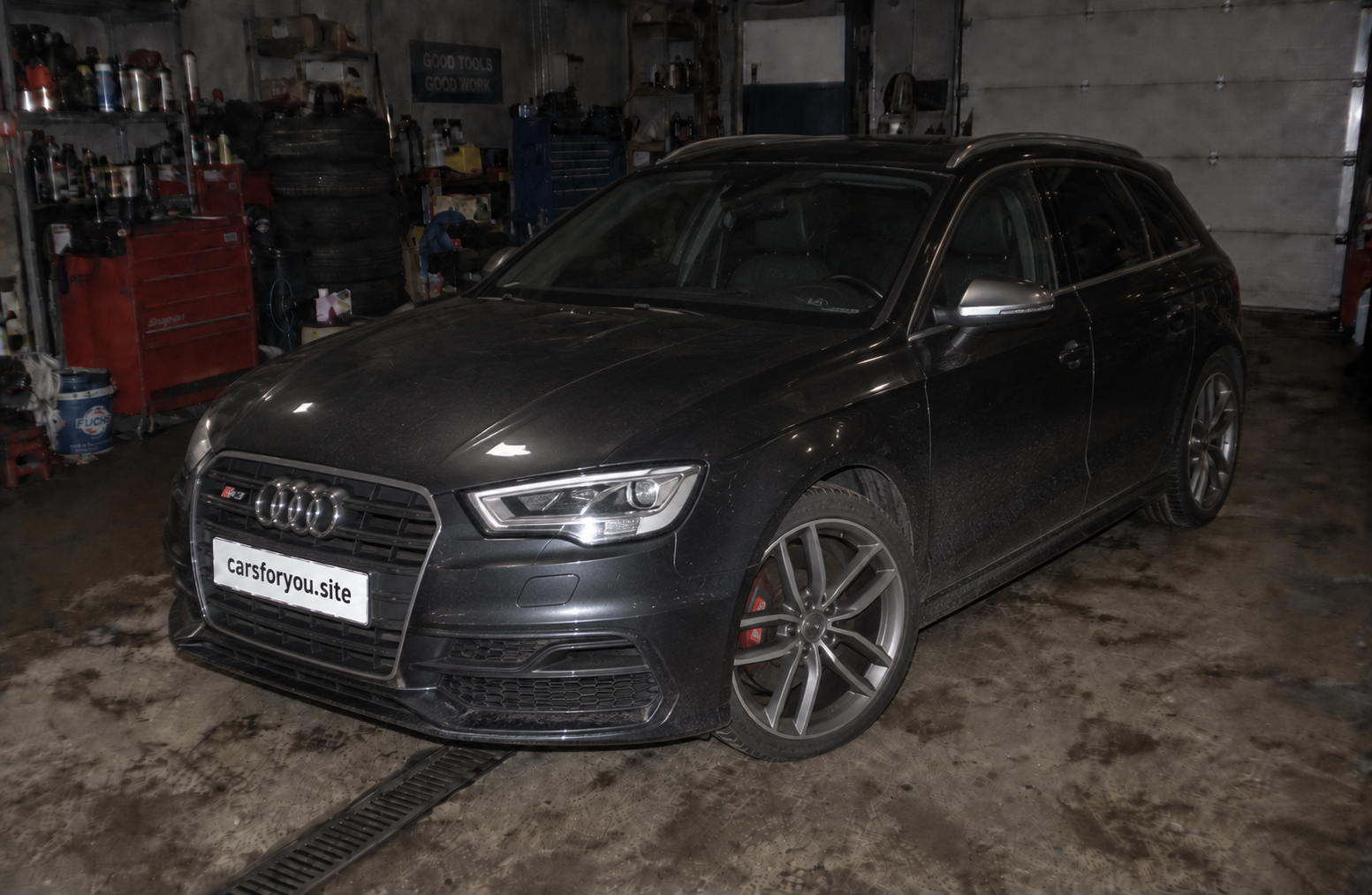
Premium does not automatically mean complicated
Some premium cars are straightforward daily vehicles
with better materials, equipment and refinement.
Others combine complex suspension, large engines,
expensive brakes or specialist transmissions that
deserve more careful inspection.
The important distinction is not simply the badge.
Look at the exact drivetrain, age, specification and
maintenance history of the particular vehicle.
Newer premium cars
On newer stock, check that infotainment, climate control,
parking aids, cameras, seat functions, driver-assistance
systems and other electronic equipment work as expected.
Modern premium vehicles can have a large amount of
specification hidden behind menus and option packages,
so confirm any feature that is essential to you rather
than assuming it is standard.
Older luxury cars
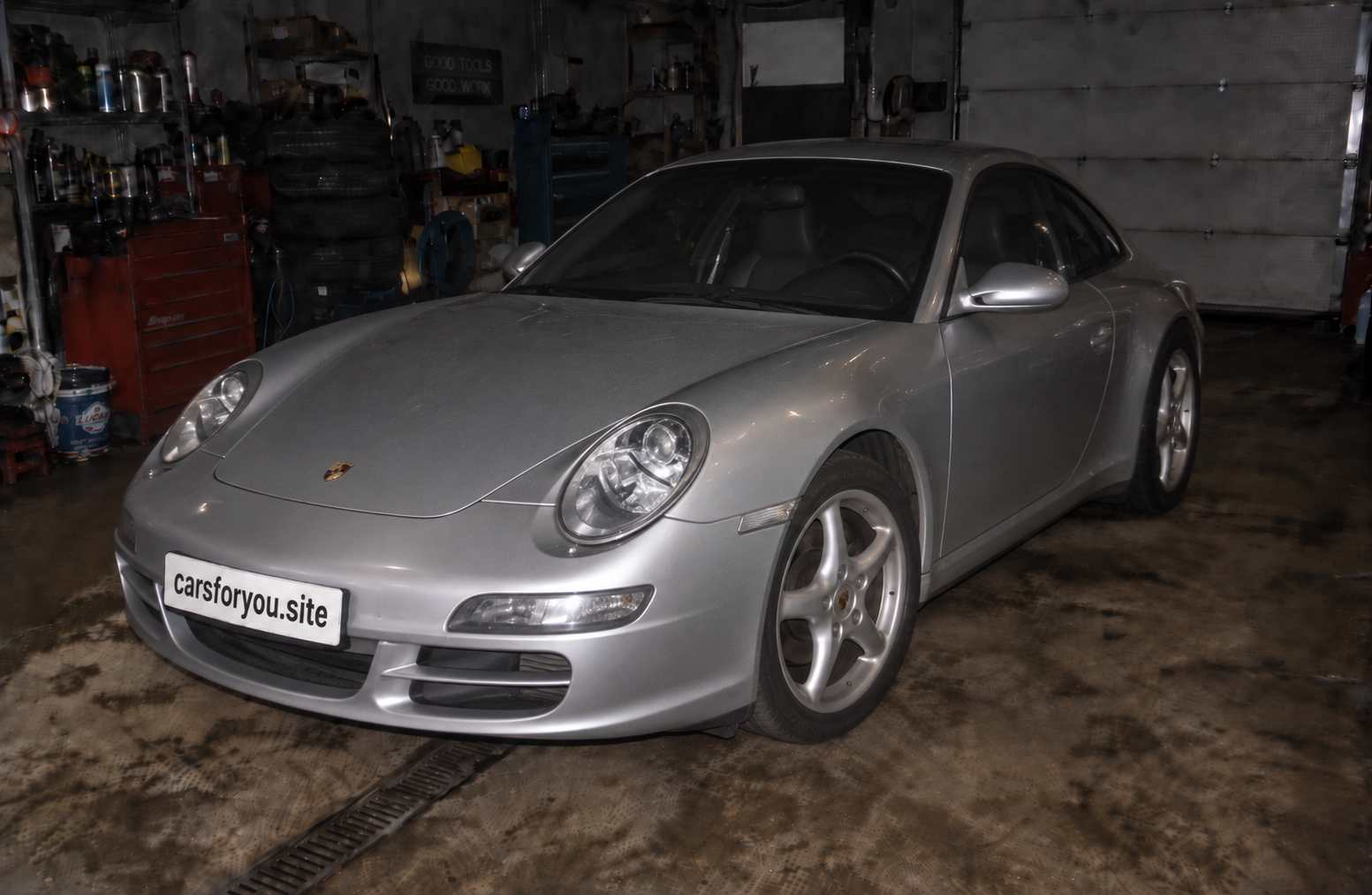
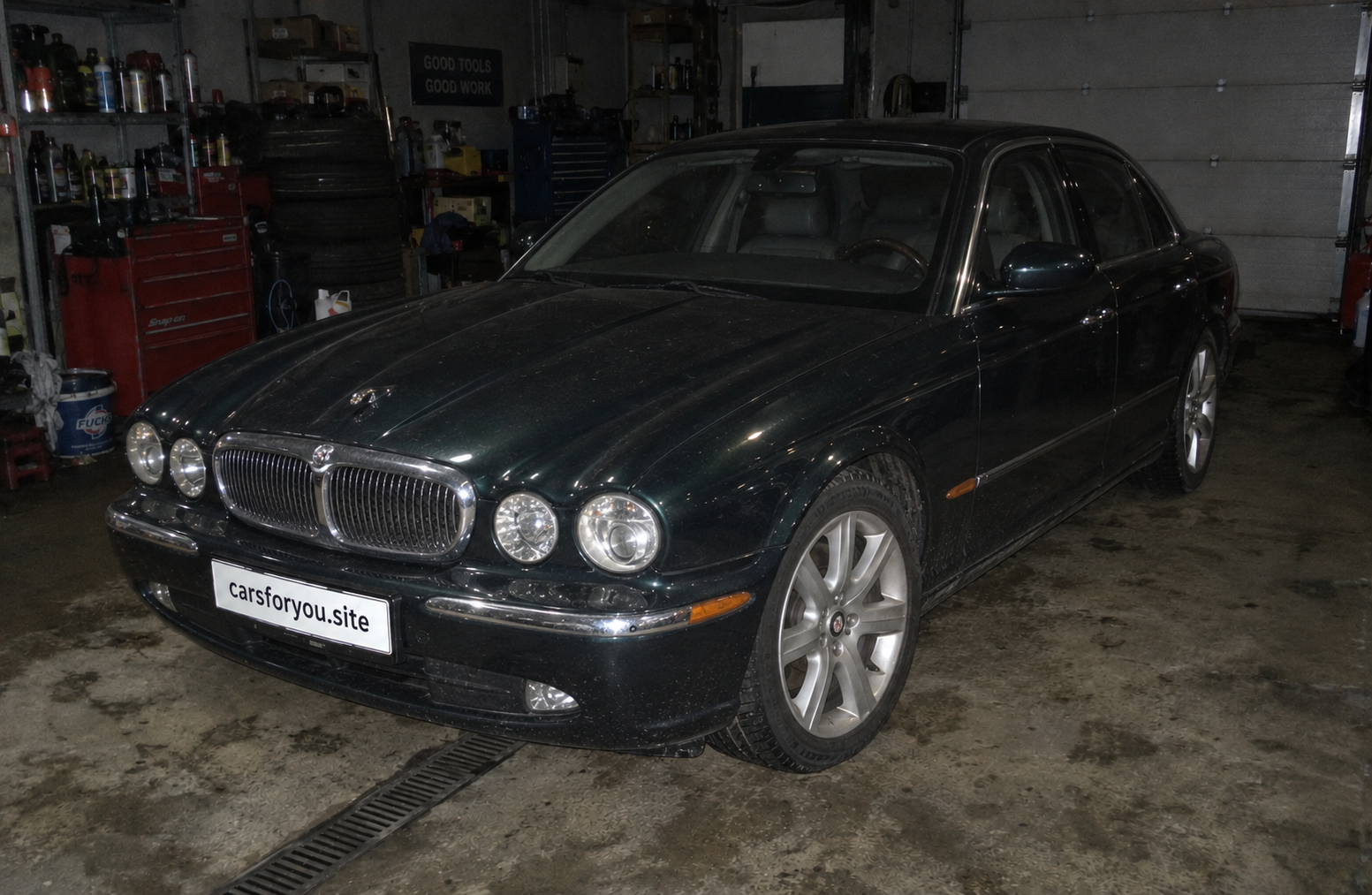
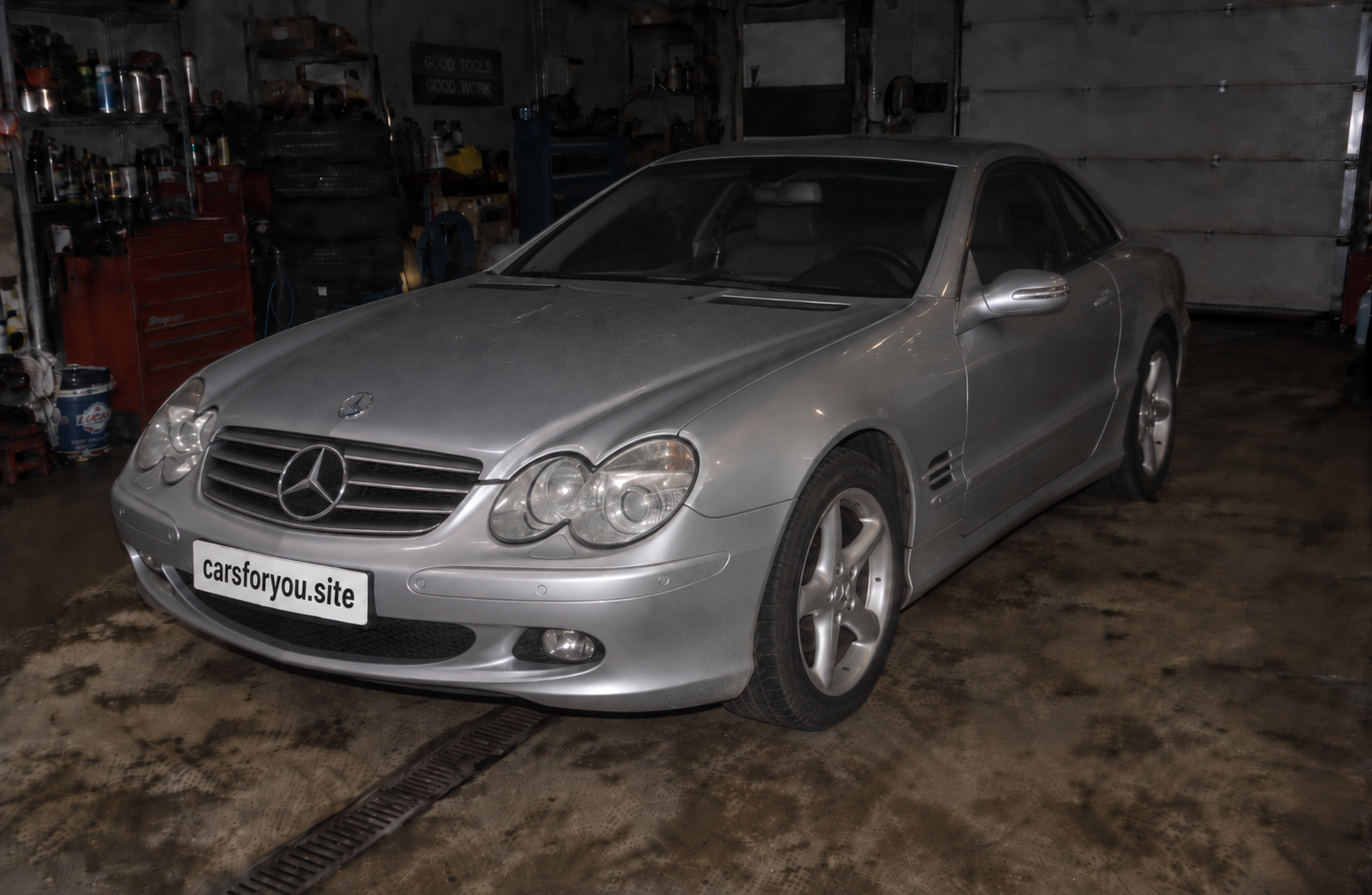
Older Jaguars, Mercedes-Benz models and other former
flagship cars can offer a great deal of car for the
purchase price, but they should be bought on condition
and maintenance history rather than badge or original
list price.
Suspension components, cooling systems, electronics,
roof mechanisms, air conditioning and large-engine
maintenance can all become relevant as these vehicles age.
Performance and luxury overlap
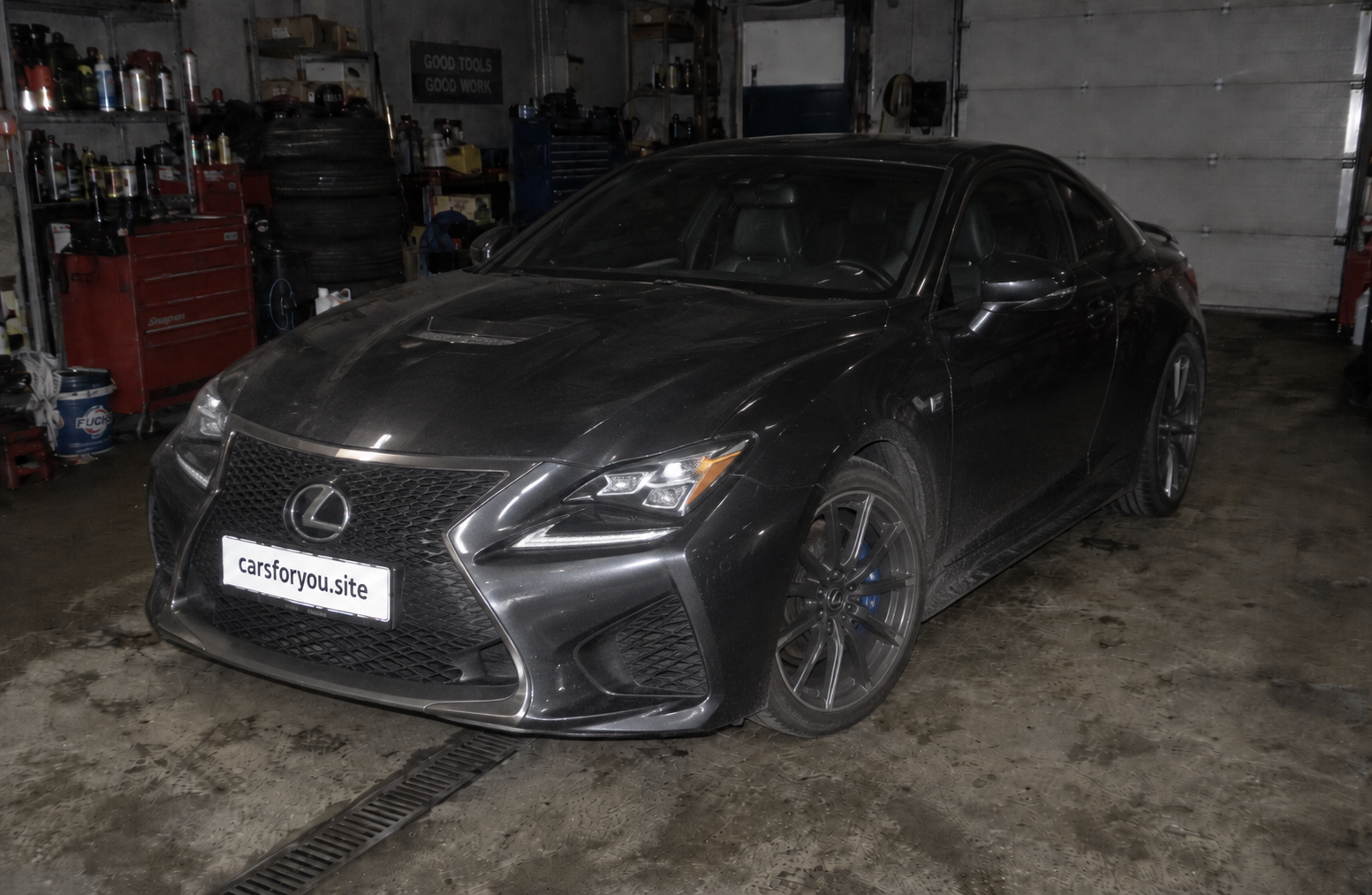
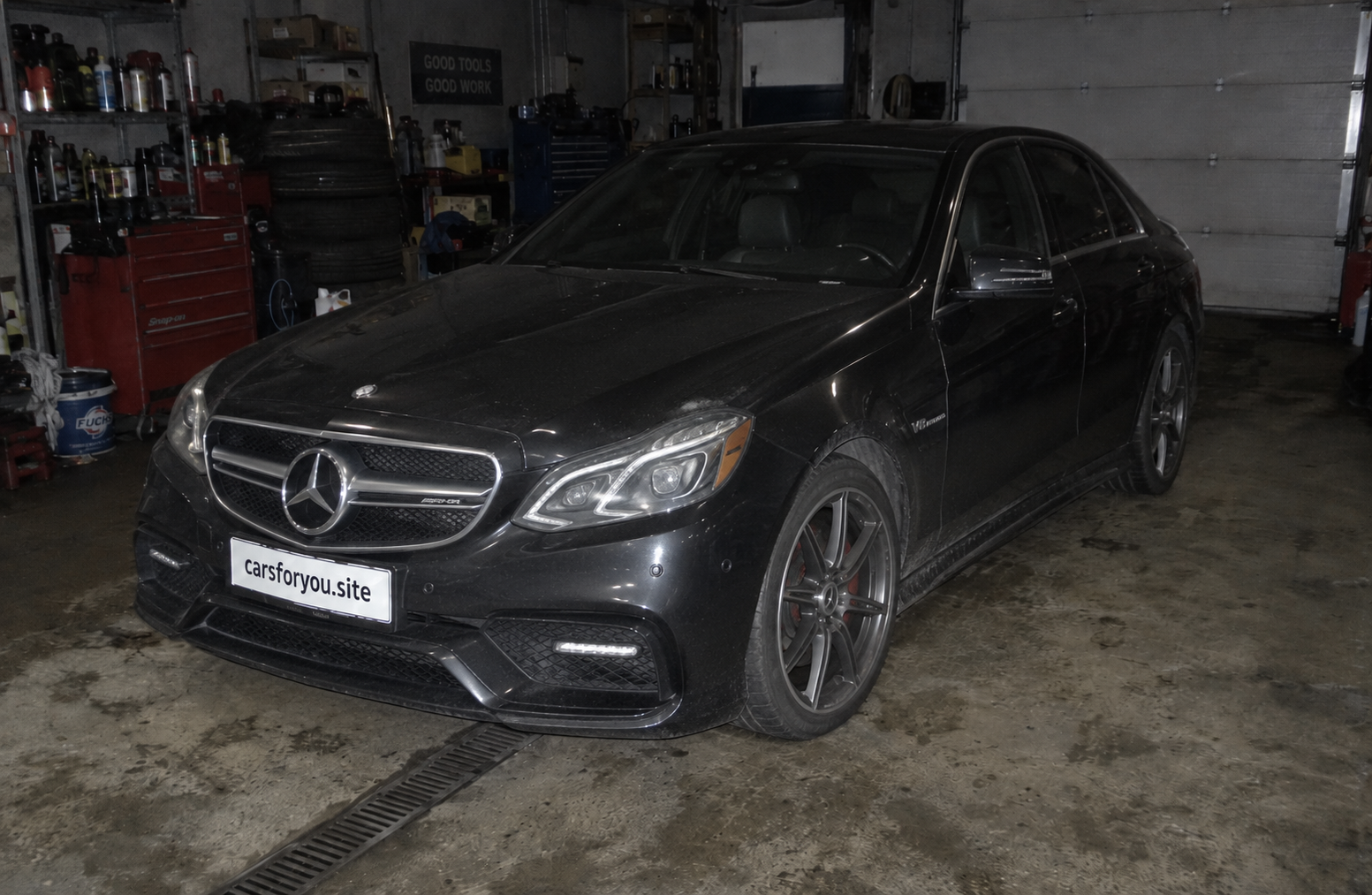
Several current cars sit in both premium and performance
categories. The Lexus RC F, Mercedes-Benz E 63 AMG,
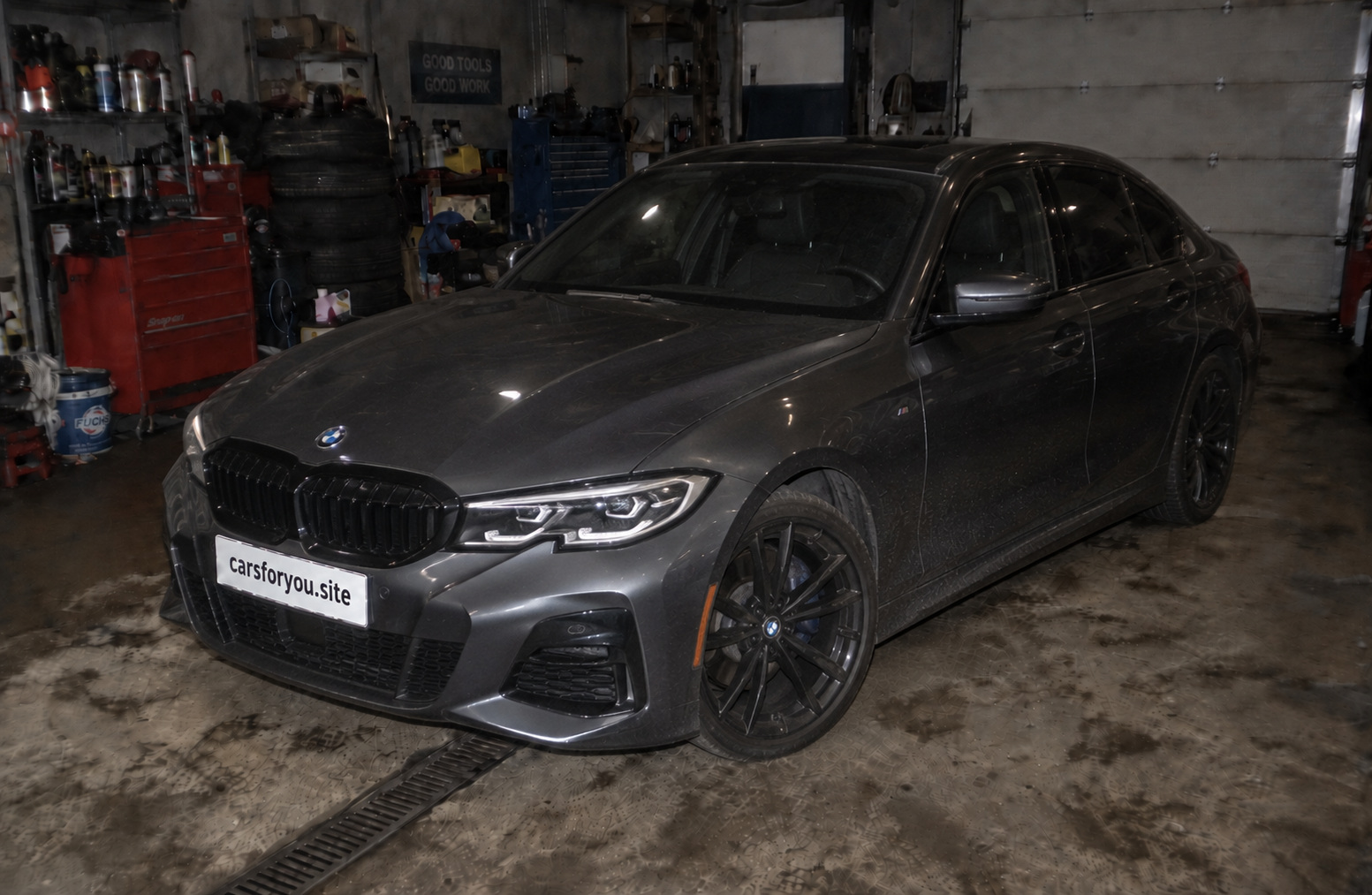
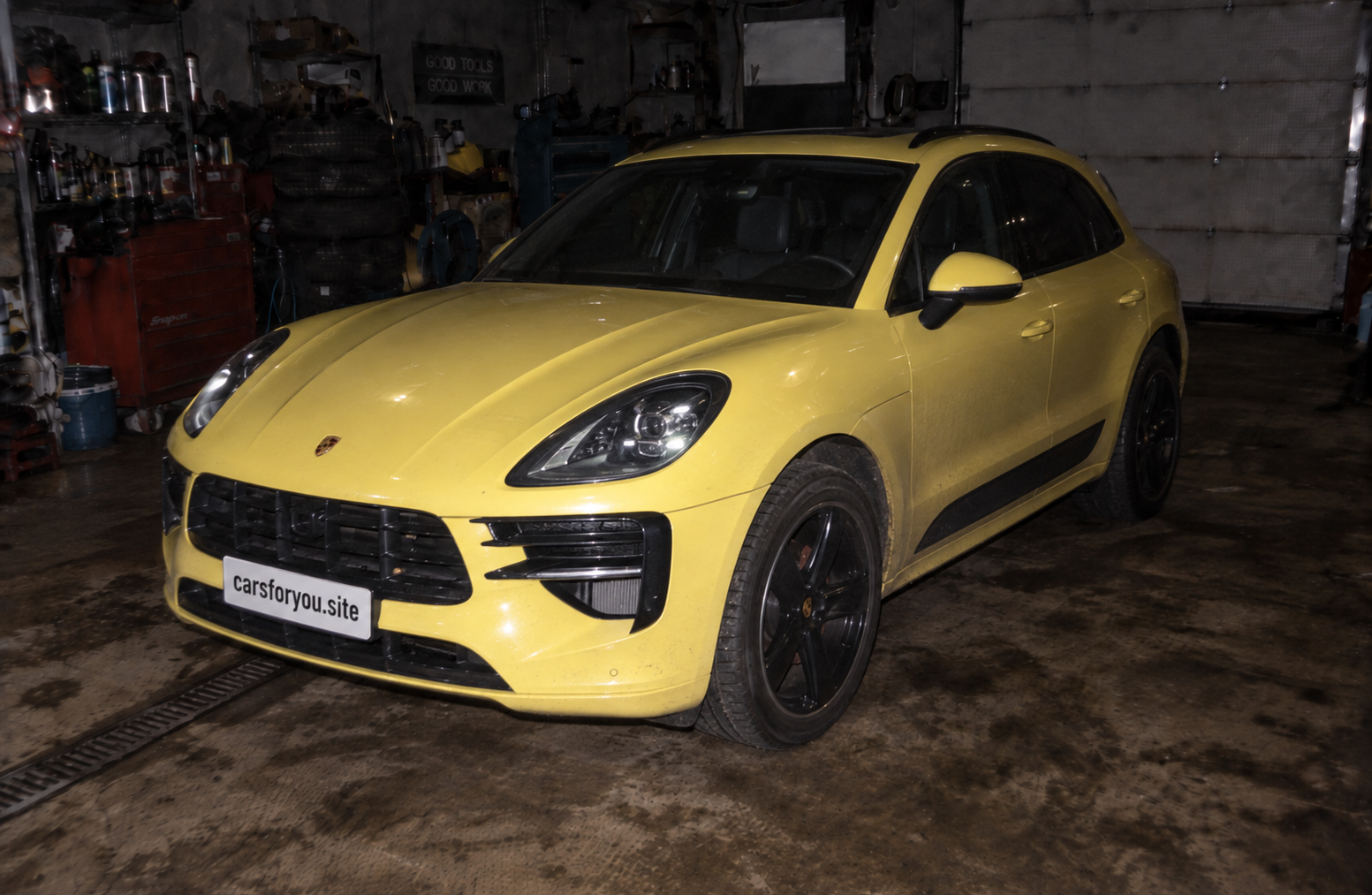
Porsche Macan S and BMW 330i M Sport, for example,
combine equipment and refinement with much stronger
performance than an ordinary family car.
On these cars, tyres and brakes deserve particular attention.
Premium performance consumables can be substantially more
expensive than equivalent parts for ordinary vehicles.
Interior condition
Premium interiors often use leather, soft-touch trim,
powered seats and more complex controls. Check seat bolsters,
steering-wheel wear, buttons, screens, trim pieces and
headlining condition as part of the viewing.
Buy the individual car
Two examples of the same model can have very different
histories. Mileage alone cannot tell you how a vehicle
was used or maintained. Service records, invoices,
tyres, interior wear and how the car behaves from cold
all add context.