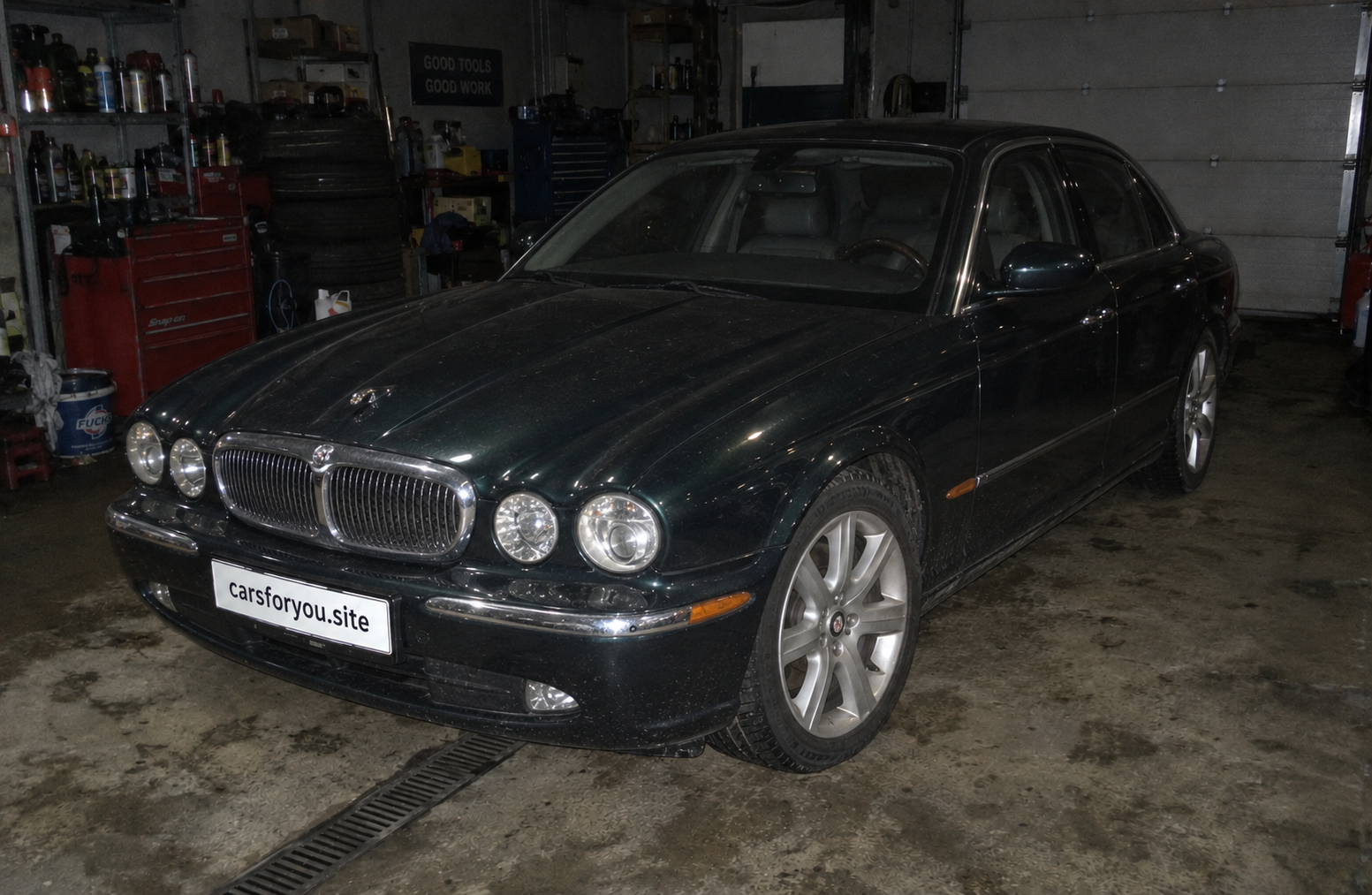
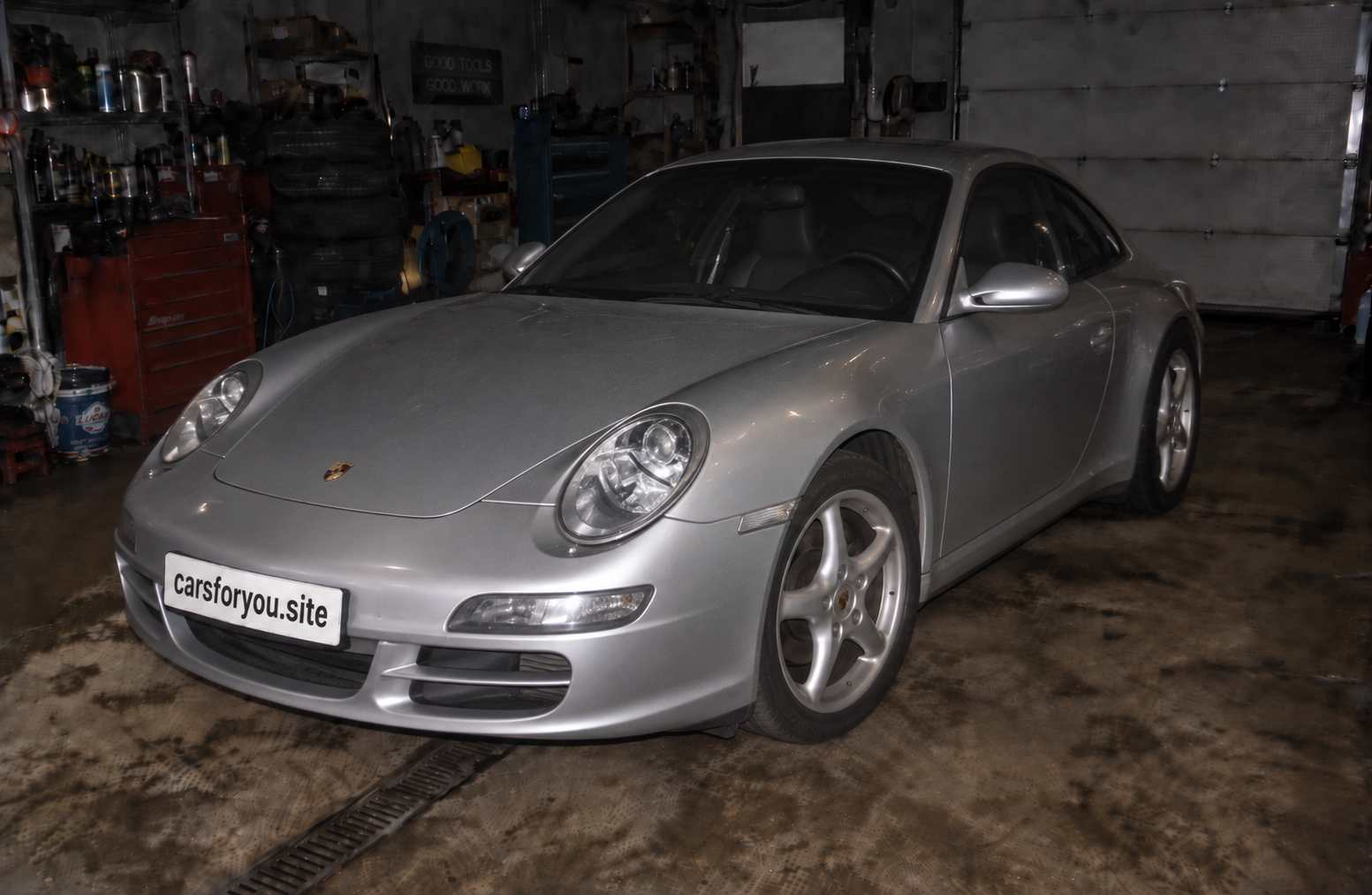
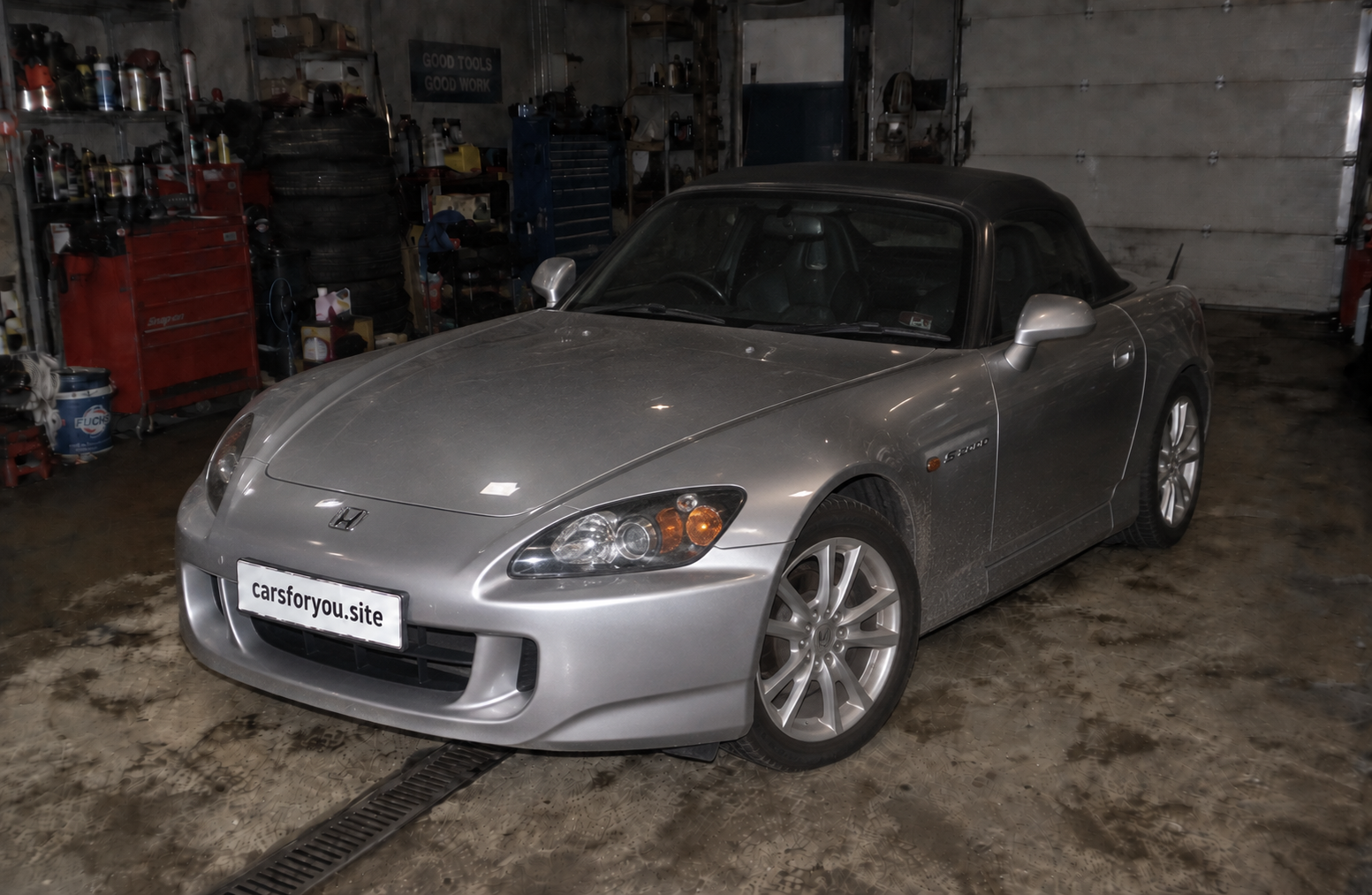
What we mean by modern classic
There is no fixed age at which a used car suddenly becomes
a classic. In practice, modern-classic buyers tend to look
for vehicles whose design, drivetrain, rarity or driving
experience makes them more interesting than an ordinary
old car.
The category can include sports cars, large naturally
aspirated engines, early performance derivatives and
particularly well-regarded generations of ordinary models.
Condition matters more than age alone
Age does not automatically create value. An older vehicle
with corrosion, poor repairs, missing history and neglected
mechanical work can be a significantly worse purchase than
a higher-mileage example that has been consistently maintained.
Service history
Service books are useful, but invoices often tell more of
the story. Receipts can show whether major maintenance,
suspension work, brakes, cooling-system repairs, roof work
or other age-related jobs have actually been carried out.
Rust and corrosion
Corrosion deserves proper attention on older vehicles.
Visible rust on an outer panel may be less serious than
structural corrosion underneath the car or around mounting
points.
If you are not comfortable assessing corrosion yourself,
an independent inspection is sensible.
Originality
Some buyers specifically want factory-standard examples,
while others are comfortable with period modifications.
Neither approach is automatically correct, but modifications
should be understood rather than discovered after purchase.
Check suspension, exhaust, wheels, engine-management changes,
audio systems and cosmetic alterations if originality matters.
Mileage
Very low mileage is not the only desirable condition.
Cars that have spent long periods unused can develop their
own problems with seals, tyres, brakes, fuel systems and
batteries.
A regularly used car with documented maintenance can be
preferable to an apparently preserved example with little
recent mechanical attention.
Parts availability
Before buying a less common older vehicle, research whether
mechanical and trim parts remain reasonably obtainable.
Mechanical service parts may be easy to source while
model-specific interior pieces become difficult or expensive.
Storage
Think about where the vehicle will live. Dry storage can be
particularly valuable for older cars that are used less often
or are vulnerable to corrosion and weather-related deterioration.
Buy because you actually want the car
Predicting future collectability is uncertain. A much stronger
reason to buy an older enthusiast car is that you genuinely
want to own, drive and maintain that particular model.
Treat potential future value as secondary to buying the best
individual example you can reasonably afford.